
NC Tidal Creeks

Assessing Residential Landscape Preferences to Inform Outreach and Improve Ecological Function of Coastal Landscaping Practices in Carolina Tidal Creek Communities
Project Summary
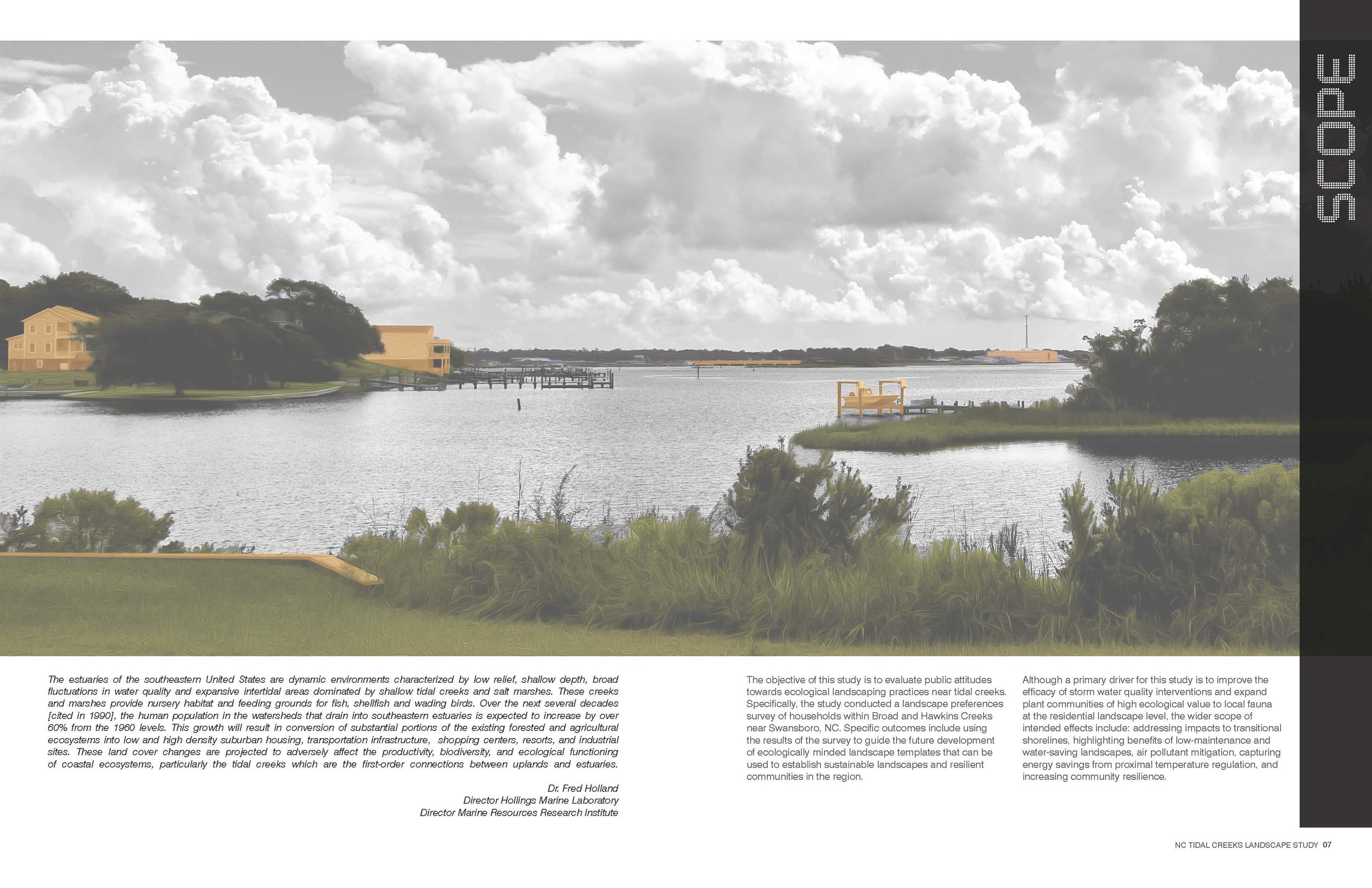
North Carolina is home to more than 12,000 miles of shoreline in the transitional areas between fresh and salt water. While shorelines encompass large estuarine bodies, the water’s edge is defined by hundreds of tidal creeks that provide critical habitat and ecological functions.
North Carolina’s coastlines are home to some of the most ecologically diverse and significant ecotones in the United States. They support diverse habitats, fishing economies, and tourism and recreation centers visited by millions each year. Along with increased commercial and residential development come myriad environmental impacts, including habitat loss and reduced water quality caused by non-point sedimentation and nitrification generated by poor site development and landscaping practices. This study represents the initial step of a larger initiative to engage, educate, and transform tidal creek communities to foster healthy ecologies through a strategic alignment with resident behaviors.
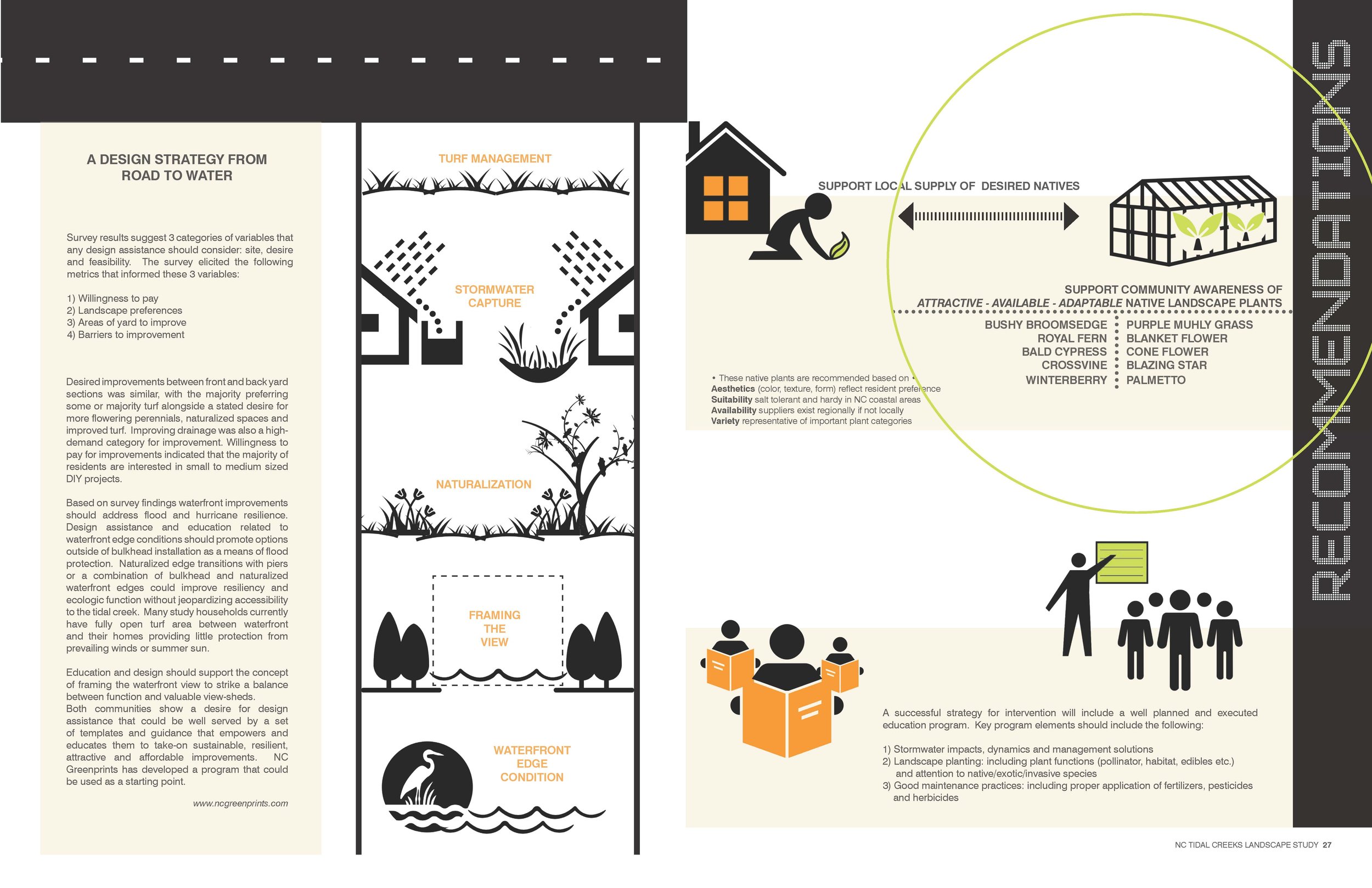
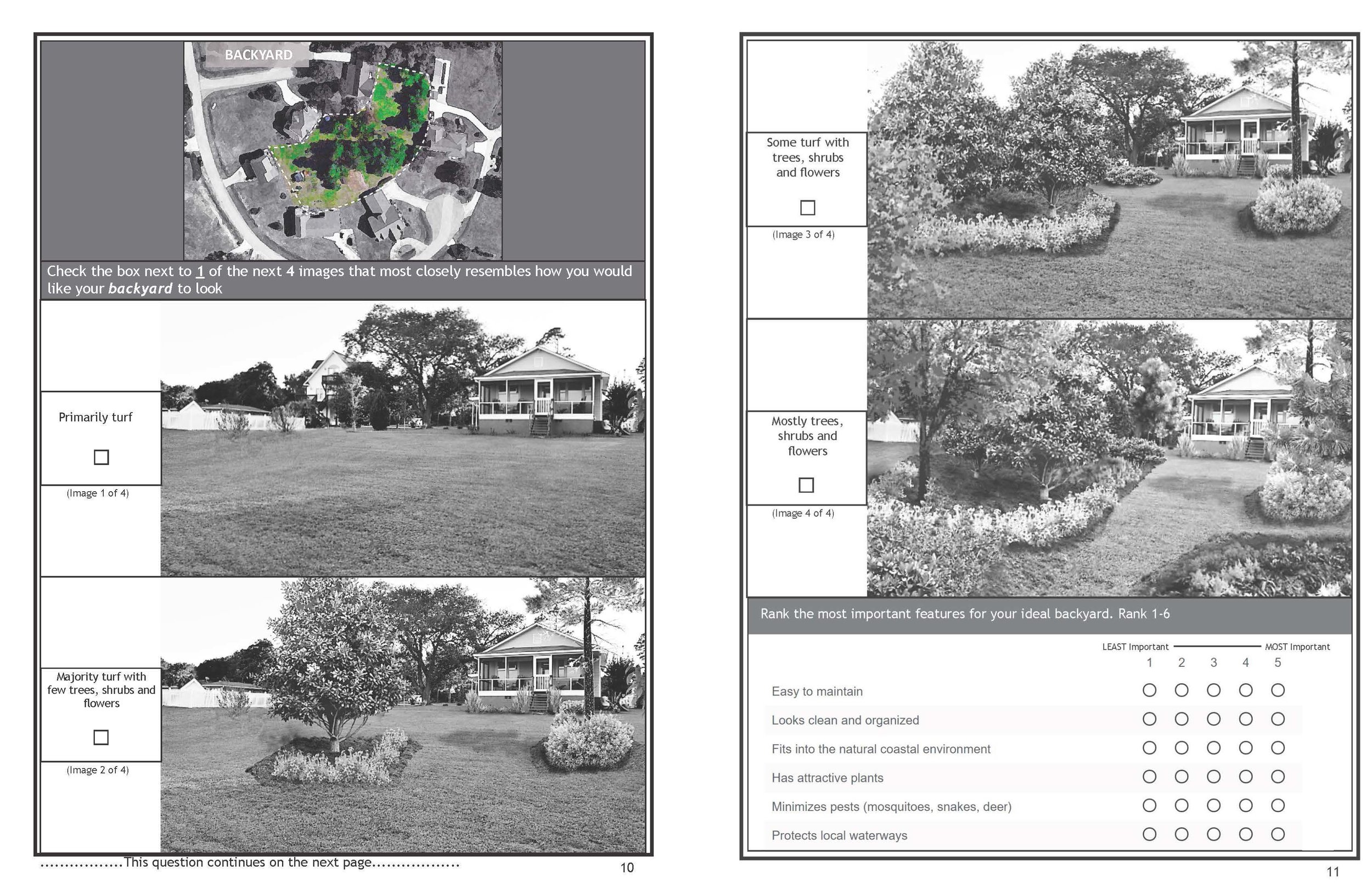
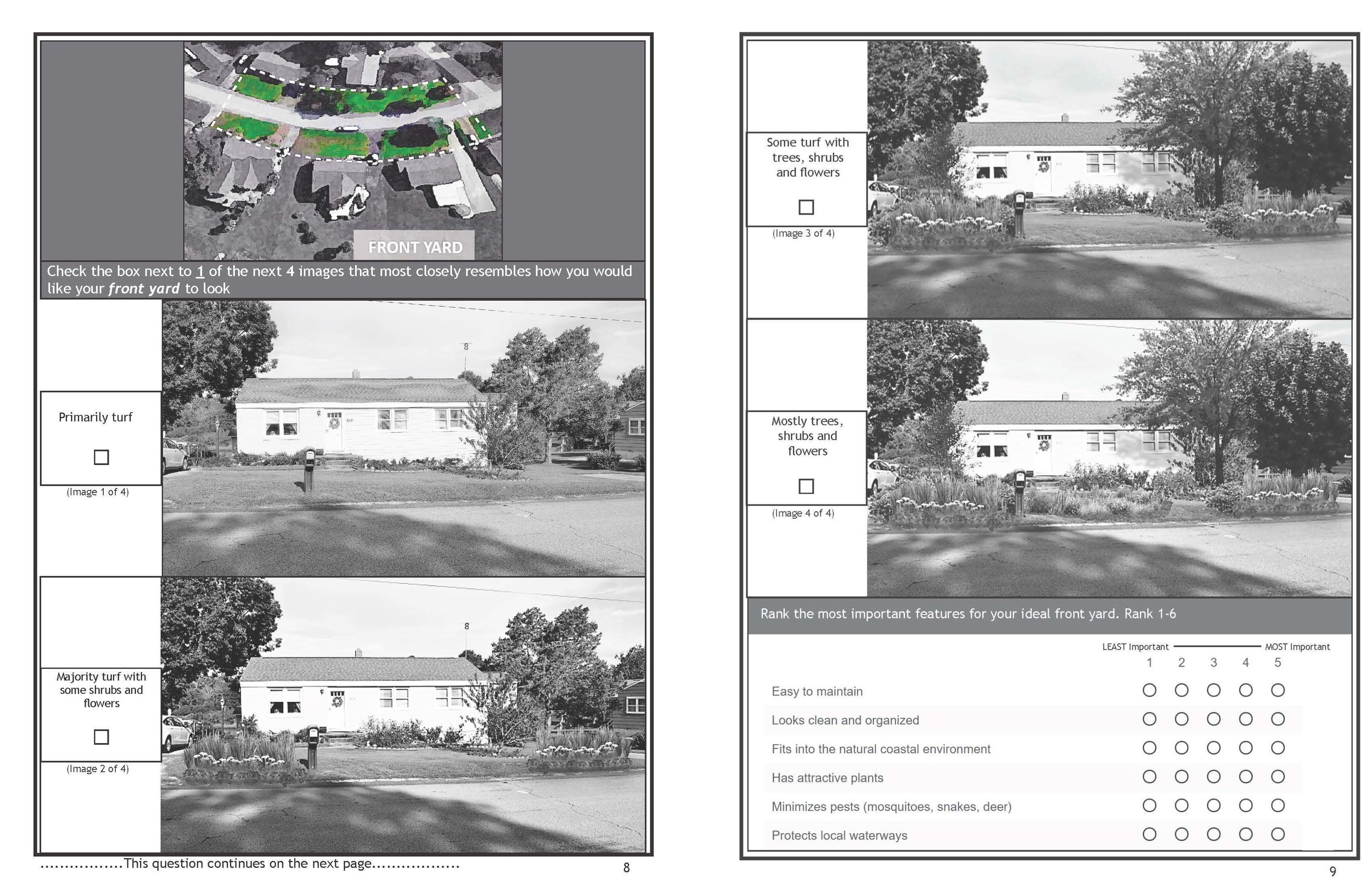
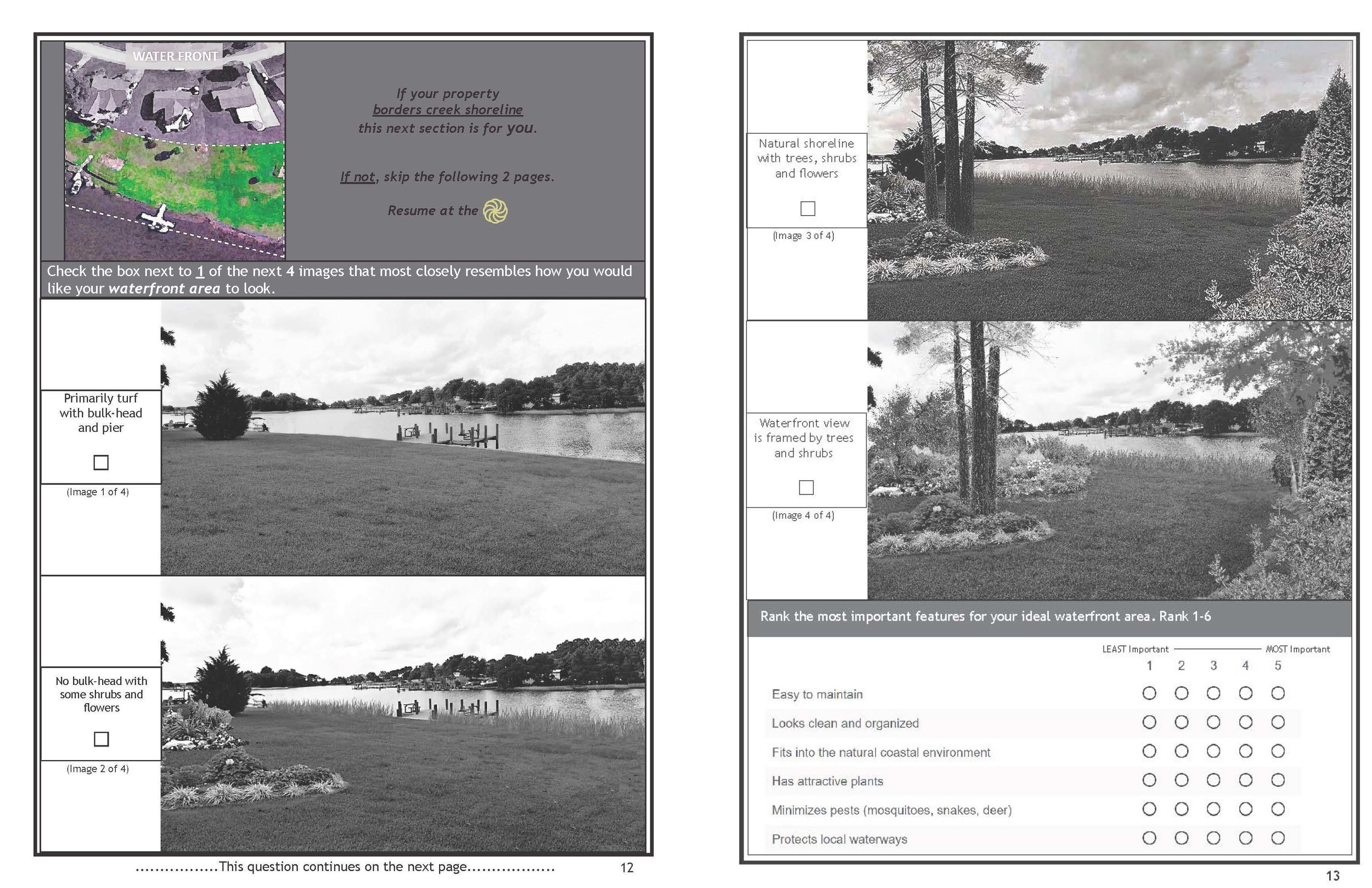
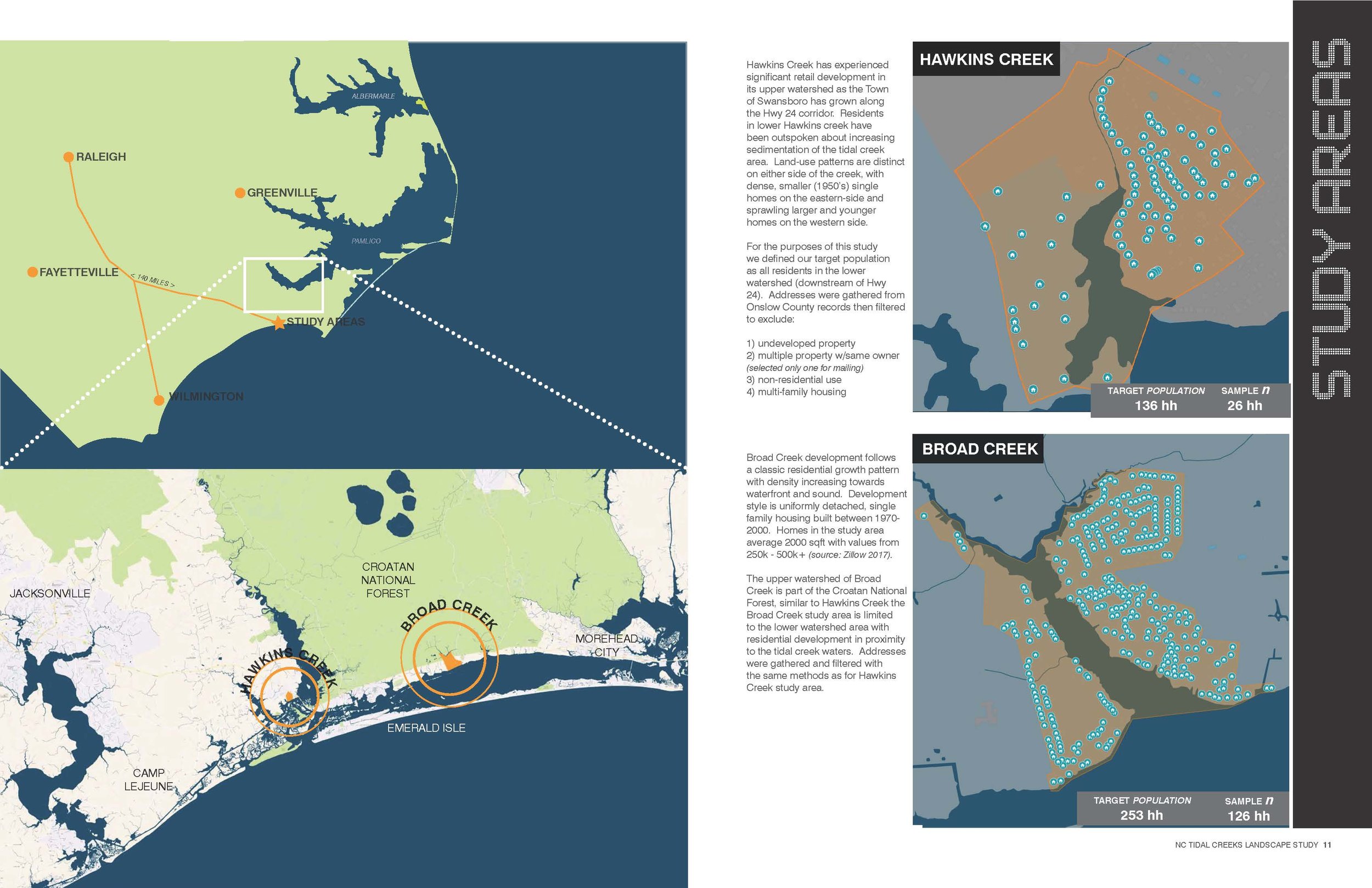
The purpose of this study was to better understand of the values, attitudes, and knowledge that influence residential landscaping decisions in coastal areas. Toward these ends, this study successfully characterized landscape features that reflect resident preferences and ecological best practices in the context of single-family homes in small, highly sensitive (tidal creek) watersheds. Research goals included capturing resident preferences alongside their understanding of: stormwater quality best practices, native plant communities of high ecological value within the residential context, transitional shoreline characteristics, low-maintenance, and water-saving landscapes, and resilience to and mitigation of storm-related impacts. Findings from this study strongly support the potential for successful sustainable landscape interventions. Survey findings were used to develop an initial set of recommendations aimed at community education and design assistance activities.
Sample Images
Award
Honor Award: Research
ASLA North Carolina | 2018
Funding Source
Publication
Walters, A. & Fox, A. (2018) “Supporting Informed Coastal Landscapes: An Assessment of Preferences in Carolina Tidal Creek Communities.” Landscape Research Record No. 7: 200-210.